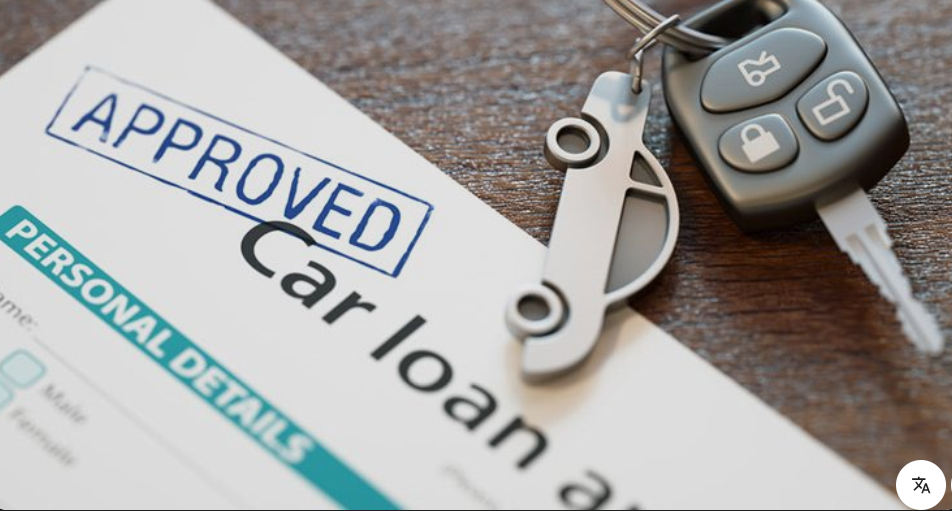
Buying a car is a significant financial decision, and for many people, financing through an auto loan is the only practical way to afford a vehicle. However, the interest rate on a car loan can dramatically affect the total amount you pay over time. Even a small difference in the interest rate can add thousands of dollars to the cost of your car throughout the life of the loan.
The good news is that you can take several steps before applying for a car loan to lower your interest rate and secure better loan terms. Lenders determine loan interest rates based on factors such as credit score, debt levels, loan amount, and financial stability. By improving these factors in advance, you can position yourself as a lower-risk borrower and qualify for more competitive financing offers.
This article provides a comprehensive guide on how to lower your car loan interest rate before applying, covering practical strategies, financial preparation, and smart negotiation techniques.
Understanding How Car Loan Interest Rates Work
Before trying to lower your car loan interest rate, it is important to understand how lenders determine it. Auto loan interest rates vary depending on several key factors:
-
Credit score and credit history
-
Debt-to-income ratio
-
Down payment amount
-
Loan term length
-
Type of vehicle (new or used)
-
Lender policies and market interest rates
Borrowers with strong credit scores typically receive lower interest rates because lenders consider them less risky. On the other hand, people with poor credit histories may face significantly higher rates.
For example, borrowers with excellent credit may receive interest rates around 3–5%, while those with lower credit scores may be charged rates exceeding 10%.
Because these factors heavily influence your loan offer, improving them before applying can help you secure better financing terms.
Steps to Lower Your Car Loan Interest Rate Before Applying
1. Check and Improve Your Credit Score
Your credit score is one of the most important factors affecting your car loan interest rate. Lenders rely on your credit score to assess how responsibly you have handled debt in the past.
A higher credit score signals reliability and financial responsibility, which often leads to lower interest rates. Conversely, a poor credit score suggests higher risk and results in higher borrowing costs.
Ways to Improve Your Credit Score
Before applying for a car loan, review your credit report and take steps to improve your score:
-
Pay all bills on time
-
Reduce credit card balances
-
Avoid opening new credit accounts
-
Dispute errors on your credit report
-
Maintain low credit utilization (ideally below 30%)
Even a modest improvement in your credit score can significantly reduce the interest rate you qualify for.
If your credit score needs major improvement, consider delaying your car purchase for several months while working on your credit profile.
2. Reduce Your Debt-to-Income Ratio
Your debt-to-income (DTI) ratio measures how much of your monthly income goes toward paying debts. Lenders use this ratio to determine whether you can comfortably handle additional loan payments.
A lower DTI ratio indicates better financial stability and can help you qualify for a lower interest rate. Financial experts often recommend keeping your DTI below 36% when applying for loans.
How to Improve Your Debt-to-Income Ratio
-
Pay down credit card balances
-
Refinance high-interest loans
-
Avoid taking on new debt before applying
-
Increase your income through overtime or side work
Reducing your monthly debt obligations can significantly improve your loan eligibility and help you secure better financing terms.
3. Save for a Larger Down Payment
Making a larger down payment is another effective way to lower your car loan interest rate. A higher down payment reduces the total amount you need to borrow, lowering the lender’s risk.
Lenders often offer better interest rates when borrowers put down more money upfront because it shows financial commitment and reduces the loan-to-value ratio.
Recommended Down Payment Amount
-
Around 20% for a new car
-
Around 10% for a used car
A larger down payment can also reduce your monthly payments and the total interest paid over the life of the loan.
4. Shop Around for the Best Loan Offers
One of the most effective strategies for lowering your interest rate is comparing offers from multiple lenders. Different banks, credit unions, and online lenders offer different rates, fees, and loan terms.
By obtaining multiple loan quotes, you can identify the most competitive offer and potentially negotiate better terms.
Where to Compare Auto Loans
-
Banks
-
Credit unions
-
Online lenders
-
Car dealerships
Shopping for loans within a short time window (usually 14–45 days) allows multiple credit checks to count as a single inquiry, minimizing the impact on your credit score.
Comparing lenders also gives you leverage when negotiating interest rates.
5. Get Pre-Approved for a Car Loan
Obtaining pre-approval before visiting a dealership can help you secure a lower interest rate and avoid unnecessary financing pressure. Pre-approval allows you to see the loan amount, interest rate, and terms you qualify for ahead of time.
Benefits of loan pre-approval include:
-
Knowing your budget before shopping
-
Strengthening your negotiating position
-
Avoiding high-interest dealership financing
-
Comparing loan offers easily
Pre-approval also signals to dealerships that you are a serious buyer with financing already arranged.
6. Consider a Shorter Loan Term
The length of your loan term significantly affects your interest rate. Longer loan terms usually come with higher interest rates because lenders face greater risk over time.
For example:
-
36–48 month loans often have lower rates
-
60–72 month loans typically have higher rates
Although longer terms may offer lower monthly payments, they often result in higher overall interest costs. Choosing a shorter loan term can help you secure a better rate and pay off your car faster.
7. Add a Co-Signer With Strong Credit
If your credit score is not strong enough to qualify for a low interest rate, adding a co-signer may help. A co-signer with good credit reassures lenders that the loan will be repaid, reducing the perceived risk.
As a result, lenders may offer:
-
Lower interest rates
-
Higher loan approval chances
-
Better loan terms
However, a co-signer shares full responsibility for the loan. If payments are missed, it can negatively affect both credit histories.
Therefore, this option should only be considered when both parties fully understand the financial commitment.
8. Maintain Stable Employment and Income
Lenders evaluate your employment history and income stability when determining your loan terms. Borrowers with consistent employment and steady income are considered more reliable.
To improve your chances of getting a lower interest rate:
-
Avoid changing jobs shortly before applying
-
Provide proof of stable income
-
Maintain consistent work history
Stable income demonstrates that you can comfortably manage monthly loan payments.
9. Build a Strong Relationship With Your Bank
Existing relationships with financial institutions can sometimes help borrowers obtain better loan terms. If you already have accounts or financial products with a bank, you may qualify for loyalty discounts or special rates.
For example, banks may offer lower rates if you have:
-
Savings accounts
-
Credit cards
-
Fixed deposits
-
Salary accounts
These relationships demonstrate trust and financial reliability, which may help you negotiate a better interest rate.
10. Negotiate the Interest Rate
Many borrowers assume that car loan interest rates are fixed, but in many cases they are negotiable. If you have strong credit, stable income, or competing loan offers, you may be able to negotiate a lower rate.
Tips for Successful Negotiation
-
Show pre-approved loan offers from other lenders
-
Highlight your strong credit score
-
Emphasize your steady income
-
Compare financing options
Even a small reduction in interest rates can lead to significant savings over the life of the loan.
11. Avoid Applying for Multiple Loans Too Early
Applying for multiple types of credit shortly before seeking a car loan can lower your credit score and make you appear financially risky.
To protect your credit profile:
-
Avoid applying for credit cards or personal loans
-
Do not take on new debt
-
Keep your financial activity stable before applying
Maintaining a consistent financial profile can help lenders view you as a responsible borrower.
12. Look for Promotional Financing Offers
Automakers and financial institutions sometimes offer special financing deals, including low or even 0% interest rates on certain vehicles.
These promotional offers are typically available to borrowers with strong credit and may be limited to specific models or limited-time promotions.
Monitoring such offers before purchasing a vehicle can help you secure exceptionally low financing rates.
Common Mistakes That Increase Car Loan Interest Rates
Even if you prepare carefully, certain mistakes can lead to higher interest rates. Avoid the following errors when applying for a car loan:
1. Ignoring Your Credit Score
Applying for a loan without checking your credit report can lead to unexpected high interest rates.
2. Accepting the First Loan Offer
Failing to compare lenders can result in missing better financing options.
3. Choosing Very Long Loan Terms
Long loan terms increase total interest payments.
4. Financing Too Much of the Car Price
Borrowing the full vehicle cost without a down payment increases lender risk.
5. Relying Only on Dealership Financing
Dealership loans may sometimes include higher interest rates compared with bank or credit union financing.
Avoiding these mistakes can significantly improve your chances of securing a favorable auto loan.
Benefits of Lowering Your Car Loan Interest Rate
Taking steps to reduce your interest rate before applying for a loan provides several financial advantages.
Lower Monthly Payments
A reduced interest rate decreases the monthly loan payment, making the loan more manageable.
Lower Total Loan Cost
Over the life of the loan, even a small interest rate reduction can save thousands of dollars.
Faster Loan Repayment
Better rates make it easier to pay off your loan faster without financial strain.
Improved Financial Stability
Lower debt payments leave more room in your budget for savings and other expenses.
Final Thoughts
Lowering your car loan interest rate before applying is one of the smartest financial strategies when buying a vehicle. By improving your credit score, reducing debt, saving for a larger down payment, and comparing lenders, you can dramatically reduce the cost of borrowing.
Preparation is key. Lenders reward borrowers who demonstrate financial responsibility, stability, and low risk. Taking the time to strengthen your financial profile before applying can help you qualify for significantly better loan terms.