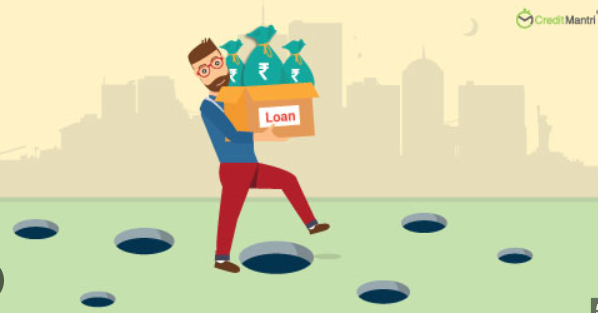
Taking a personal loan can be a powerful financial tool when used wisely. Whether you need funds for debt consolidation, medical emergencies, home improvements, or major life events, personal loans offer flexibility and convenience. However, they also come with risks—especially if you don’t fully understand how they work.
Many borrowers fall into common traps that lead to unnecessary financial stress, higher costs, or even long-term debt problems. The good news is that most of these mistakes are avoidable with proper knowledge and planning.
In this detailed guide, we’ll explore the top mistakes people make when taking a personal loan and how you can avoid them.
Understanding Personal Loans
Before diving into the mistakes, it’s important to understand what a personal loan is. A personal loan is typically an unsecured loan, meaning you don’t need to provide collateral. You borrow a fixed amount of money and repay it over a set period with interest.
While they are easy to access, this ease can sometimes lead to careless decisions.
1. Not Assessing Your Actual Need
One of the biggest mistakes is taking a loan without clearly understanding why you need it.
Many people:
- Borrow more than necessary
- Use loans for unnecessary expenses
- Fail to plan how the money will be used
Why This Is a Problem
Borrowing more than you need increases your debt burden and the total interest you pay over time.
What You Should Do
- Clearly define the purpose of the loan
- Calculate the exact amount required
- Avoid “just in case” borrowing
2. Ignoring Your Repayment Capacity
A loan may seem affordable at first, but failing to evaluate your ability to repay can lead to serious problems.
Common Issues
- Overestimating income stability
- Ignoring existing financial obligations
- Not accounting for emergencies
Consequences
- Missed payments
- Penalties and late fees
- Damage to your credit score
Smart Approach
- Calculate your monthly income vs expenses
- Ensure your EMI (monthly installment) fits comfortably within your budget
- Keep a buffer for emergencies
3. Not Comparing Loan Options
Many borrowers accept the first loan offer they receive, which is a major mistake.
Why Comparison Matters
Different lenders offer:
- Different interest rates
- Different repayment terms
- Different fees
What You Should Compare
- Interest rates
- Processing fees
- Loan tenure
- Prepayment charges
Tip
Even a small difference in interest rate can save you a significant amount over time.
4. Overlooking the Total Cost of the Loan
Focusing only on the monthly installment is a common mistake.
Hidden Costs Include
- Processing fees
- Late payment penalties
- Prepayment charges
- Insurance (if included)
Why It Matters
A loan with a low EMI may have a longer tenure, which increases the total interest paid.
What to Do
- Always calculate the total repayment amount
- Understand all charges before signing
5. Choosing the Wrong Loan Tenure
Loan tenure plays a crucial role in determining both your monthly payment and total interest.
Short Tenure
- Higher EMI
- Lower total interest
Long Tenure
- Lower EMI
- Higher total interest
Common Mistake
Choosing a longer tenure just to reduce EMI without considering the total cost.
Smart Strategy
- Balance affordability with overall cost
- Choose the shortest tenure you can comfortably afford
6. Ignoring Your Credit Score
Your credit score plays a key role in loan approval and interest rates.
Mistakes People Make
- Not checking their credit score before applying
- Applying with a poor credit history
Consequences
- Higher interest rates
- Loan rejection
- Limited options
What You Should Do
- Check your credit score beforehand
- Improve it if necessary before applying
- Pay existing dues on time
7. Applying for Multiple Loans at Once
Submitting multiple loan applications in a short period can hurt your financial profile.
Why This Is Risky
- Each application triggers a credit inquiry
- Too many inquiries lower your credit score
- Lenders may see you as financially desperate
Better Approach
- Research first
- Apply selectively
- Avoid unnecessary applications
8. Not Reading the Fine Print
Many borrowers skip reading the loan agreement carefully.
Hidden Terms May Include
- Variable interest rates
- Hidden fees
- Strict penalties
- Conditions for early repayment
Risks
You may agree to unfavorable terms without realizing it.
Solution
- Read the full agreement
- Ask questions if anything is unclear
- Never rush the signing process
9. Ignoring Prepayment and Foreclosure Charges
Some borrowers plan to repay the loan early but forget to check if there are penalties.
Why This Matters
- Some lenders charge fees for early repayment
- This reduces the benefit of paying off the loan early
What to Check
- Prepayment charges
- Foreclosure conditions
- Lock-in period
10. Using Personal Loans for Non-Essential Spending
Using loans for luxury or unnecessary purchases is a major financial mistake.
Examples
- Expensive gadgets
- Lavish vacations
- Impulse shopping
Why It’s Risky
You end up paying interest on items that lose value quickly.
Better Alternative
- Save for non-essential purchases
- Use loans only for important needs
11. Not Having a Backup Plan
Life is unpredictable, and financial situations can change.
Common Oversight
- No emergency fund
- No plan for job loss or income reduction
Consequences
- Missed payments
- Increased debt stress
Smart Move
- Maintain an emergency fund
- Consider insurance or income protection
12. Falling for Attractive Marketing Offers
Many lenders advertise:
- “Zero interest” loans
- “Instant approval”
- “No documentation”
Reality Check
These offers often come with:
- Hidden charges
- Higher fees
- Strict terms
What You Should Do
- Verify all claims
- Read terms carefully
- Avoid emotional decisions
13. Borrowing Without a Clear Repayment Plan
Taking a loan without planning how to repay it is a serious mistake.
Problems That Arise
- Financial mismanagement
- Accumulating debt
- Increased stress
Solution
- Plan your monthly budget
- Automate payments if possible
- Track your expenses
14. Ignoring the Impact on Your Future Finances
A personal loan affects your financial flexibility.
Things People Overlook
- Reduced ability to save
- Limited capacity to take future loans
- Impact on long-term goals
Smart Thinking
- Consider how the loan fits into your long-term plans
- Avoid over-committing your income
15. Co-Signing Without Understanding the Risk
Sometimes people co-sign loans for friends or family without realizing the responsibility.
Key Risk
If the primary borrower defaults, you are legally responsible.
Consequences
- Damage to your credit score
- Financial liability
Advice
- Only co-sign if you fully trust the borrower
- Be prepared to repay if necessary
16. Not Tracking Your Loan After Approval
Many borrowers forget about the loan after receiving the funds.
Common Mistakes
- Missing due dates
- Not checking statements
- Ignoring interest changes
Best Practice
- Monitor your loan regularly
- Set reminders for payments
- Stay informed about your balance
17. Relying Too Much on Loans
Taking multiple loans or depending on loans for regular expenses is dangerous.
Signs of Trouble
- Using loans to pay other loans
- Constant borrowing
Result
This leads to a debt cycle that is hard to escape.
Solution
- Focus on improving income
- Reduce unnecessary expenses
- Use loans responsibly
18. Not Seeking Financial Advice
Many people make loan decisions without consulting experts.
Why Advice Matters
- Helps you understand risks
- Provides better financial strategies
Who You Can Consult
- Financial advisors
- Bank representatives
- Experienced individuals
19. Ignoring Loan Insurance Options
Some lenders offer insurance that covers your loan in case of unexpected events.
Benefits
- Protection in case of death or disability
- Reduces burden on family
Mistake
Not considering this option at all.
20. Acting in Urgency Without Research
Urgency often leads to poor decisions.
Situations
- Medical emergencies
- Immediate financial needs
Mistake
Choosing the first available loan without proper comparison.
Better Approach
Even in urgency:
- Take a little time to review options
- Avoid high-cost loans
Final Thoughts
A personal loan can be a helpful financial solution when used wisely. However, careless decisions can turn it into a long-term burden. The key is to stay informed, plan carefully, and avoid common mistakes.
Key Takeaways
- Borrow only what you need
- Understand all terms and costs
- Choose the right lender and tenure
- Plan your repayment strategy
- Avoid unnecessary borrowing
By being mindful of these mistakes, you can make smarter financial decisions and use personal loans as a tool to improve your financial well-being rather than harm it.